Butterflies and Meanings: What Do They Symbolize?
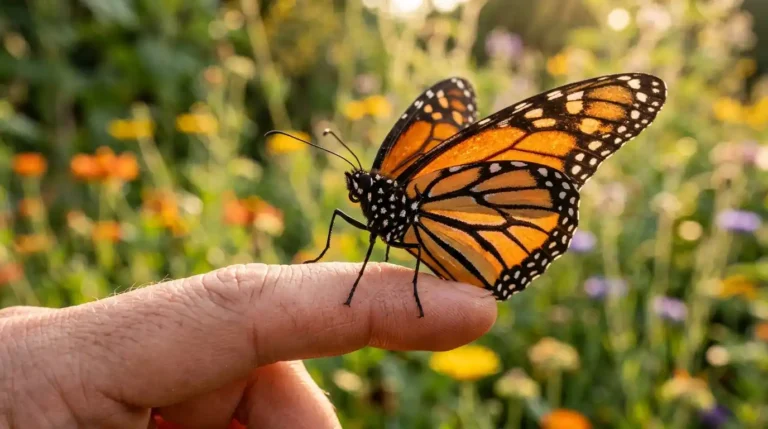
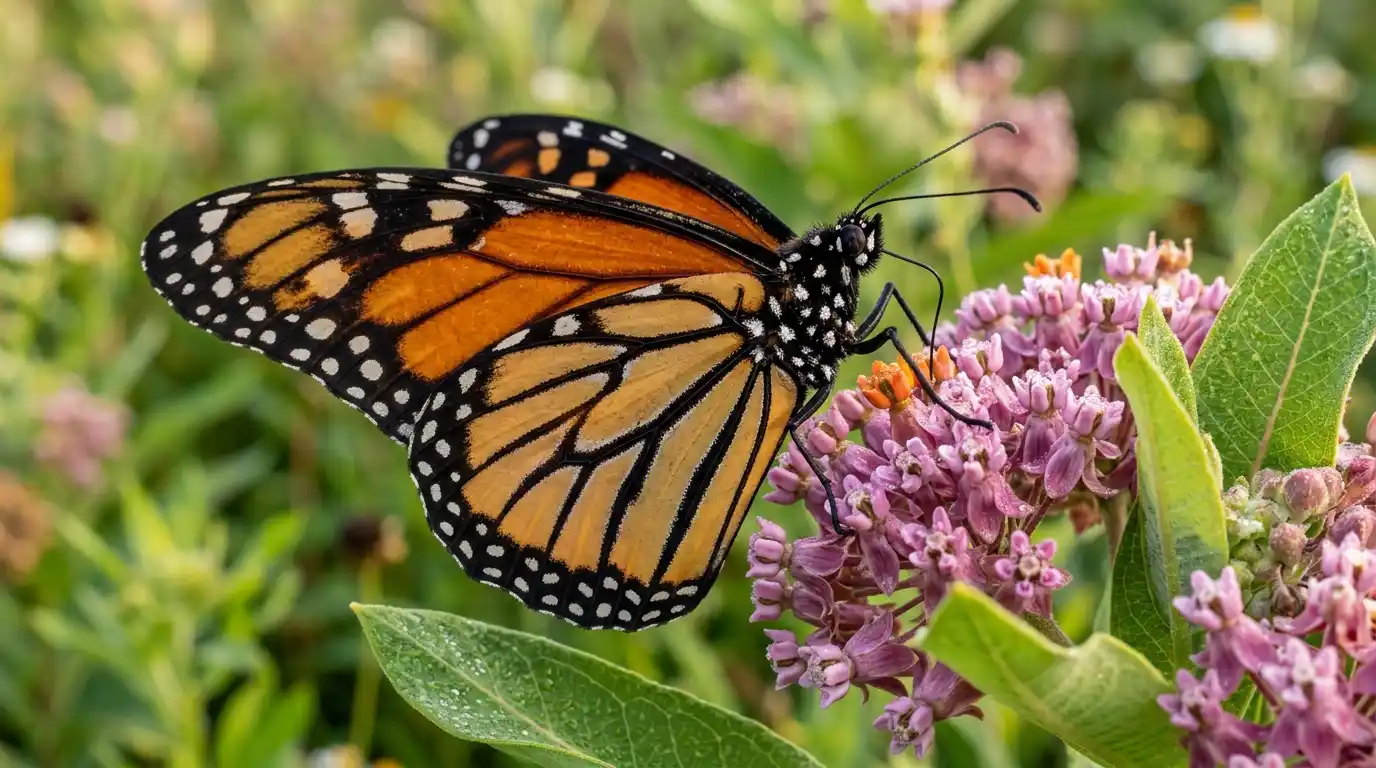
A butterfly is a sign of change. It stands for transformation, rebirth, and new beginnings. Many people see it as a spiritual message. It can also point to the soul, hope, and personal growth. Across the world, people connect butterflies to deceased loved ones and to life after death.
What Does a Butterfly Symbolize in Life?
A butterfly’s short life makes it a symbol of impermanence. It reminds people that material things don’t last. This idea brings a sense of detachment from the physical world. Many see this as spiritual guidance, almost like a quiet message from beyond. The butterfly also stands for adaptation, since it changes form completely during its life. This is why people link it to major life changes, personal growth, and inner transformation.
Also Read: Green Lacewing Spiritual
Butterfly Symbolism and Death
In many places, a butterfly is tied to the afterlife. People believe it can carry the soul of a departed person. It may also be a sign of a deceased loved one visiting the living world. Some see this as a comforting sign. Others see it as a warning. The exact meaning often depends on the culture, as shown below.
Butterfly Symbolism in Spiritual and Religious Traditions
Christianity
In Christian belief, the butterfly points to Jesus leaving the tomb after three days. This idea of a metaphoric death and a new life is why butterflies appear on headstones. It stands for eternal life and the promise of spiritual life after death. This is part of the wider resurrection symbolism found in Christian tradition.
Ancient Egypt
In ancient Egypt, butterflies appear in tomb artwork as a decorative element. They stood for pleasures, immortality, and spiritual existence. This matched old Egyptian belief about life continuing after death.
Also Read: Cicada Spiritual Meaning
Butterfly Meanings Across Cultures and Legends
China
In Chinese culture, the butterfly is a common design motif. It is sewn onto Chinese textiles all through summer, standing for elegance and young love. The legend of the Butterfly Lovers, also called Liang Zhu, tells a tragic romance between two lovers, Zhu and Liang, who turn into butterflies at their shared grave. The philosopher Zhuangzi wrote about the Butterfly Dream, where a man cannot tell reality from dream. This ancient Chinese philosophical text uses the butterfly to explain the transformation of material things. In Chinese belief, butterflies also stand for long life, strong relationships, prosperity, and good fate.
Japan
In Japan, butterflies represent deceased spirits. One butterfly can be a positive omen. A pair might be a negative omen, warning that a departed soul is near. Old stories tell of a swarm of butterflies appearing before a revolt, linked to the samurai Masakado, now seen as a demigod or restless ghost near Tokyo. The swallowtail butterfly was even the clan crest of the Taira family. Butterflies also stand for womanhood and appear often in clothing designs worn by women. Origami paper butterflies are folded for poems or for Japanese weddings, often placed beside a sake bottle. Japanese literature calls butterflies messengers between worlds. If one visits your window, it means someone is thinking of you.
Native American Traditions
Among the Siksika, also called Blackfoot, and other Native Americans, butterflies bring dreams and inspiration. The Hopi tribes of Arizona hold a ceremonial butterfly dance, which also works as a social dance for young women. Kachina spirits, seen as wildlife spirits, appear in Hopi figurines and on pottery. They stand for balance with nature and a strong sense of community during ceremony.
Mexico and Aztec Beliefs
In Mexico, the yearly migration of monarch butterflies lines up with Dia de los Muertos, the Day of the Dead. Many believe these butterflies carry the souls of the dead. The Aztecs believed a butterfly could be the last breath of a dying person. Ītzpāpālōtl, the Aztec warrior goddess, was called the obsidian butterfly. She flew with bats, moths, and eagles, and was linked to infant souls, human creation, and warriors who gave their lives in sacrifice. This belief was shared across Mesoamerica.
Europe
The Celts believed mothers in Ireland and Germany could see the souls of children inside a white butterfly during a funerary ritual. In old Andalusian Spain, people scattered the ashes of the deceased and saw butterflies as a sign of spiritual transition, easing mourning over mortality.
Ancient Greece
The old Greek word scolex means worm, and nekydallon means shell of the dead. A Greek myth tells of Eros and a mortal princess loved by Aphrodite, the goddess of Beauty. Aphrodite sent an arrow and a monster before allowing a marriage, but only after the princess finished impossible tasks. This is why she is shown with butterfly wings in western art.